January 2026 introduces important changes to road rules that all South African drivers need to know about. Not following these new regulations could lead to serious consequences like having your driving licence suspended or taken away completely. These updates focus on improving road safety and lowering accident rates across the country. All drivers need to understand these rules regardless of how long they have been driving. The changes cover various aspects including speed limits and new traffic signs to make roads safer and work better for everyone. Knowing these details will help you avoid problems and keep your driving privileges intact.
Major January 2026 Updates to South Africa’s Road Regulations
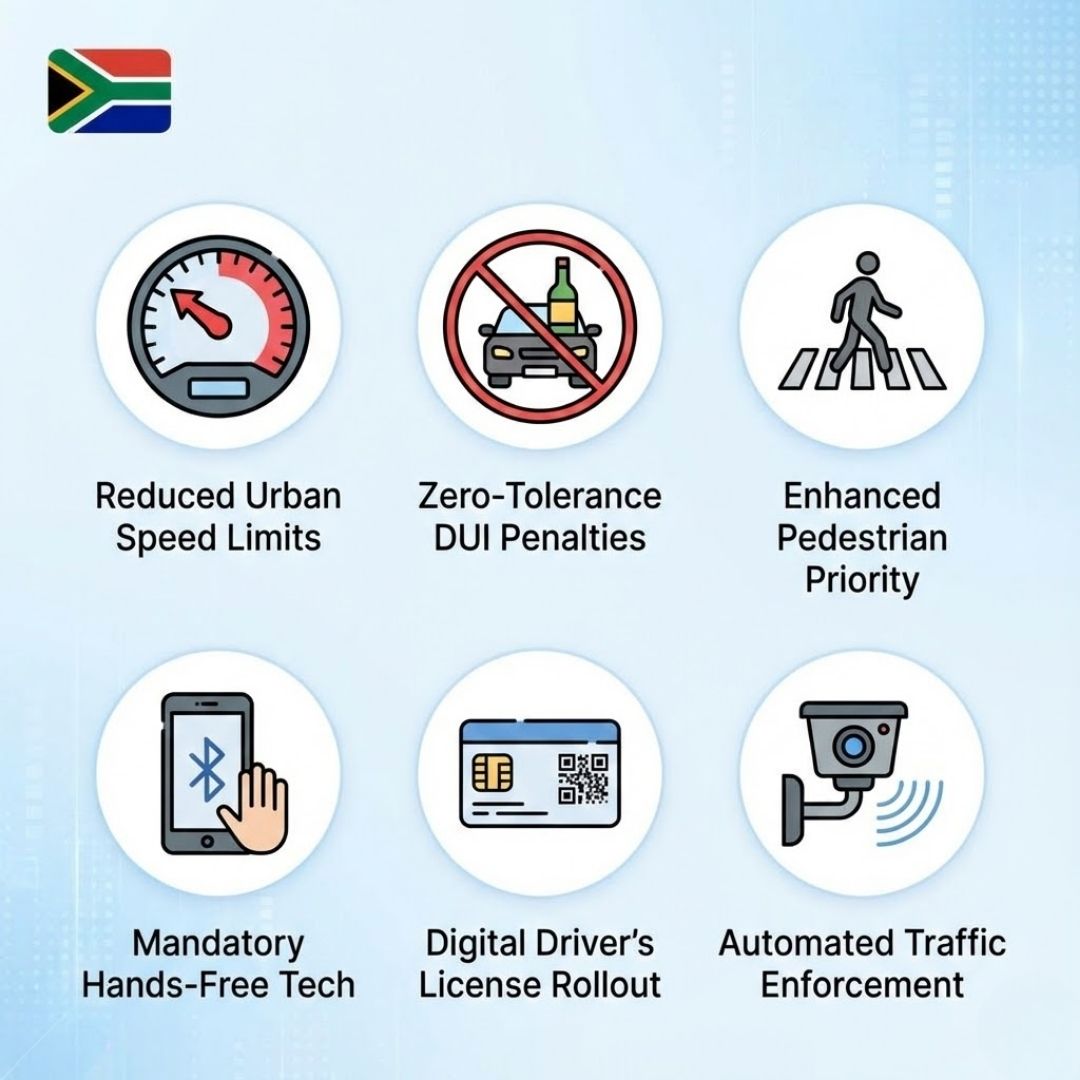
In January 2026, South Africa’s Department of Transport implemented several important updates to national road regulations that all motorists should understand. These changes are focused on enhancing road safety and easing traffic congestion, particularly in high-density areas. One of the most notable adjustments is the lowering of speed limits in urban zones, a step taken to reduce accidents and protect pedestrians. Alongside this, authorities have rolled out new and improved traffic signs designed to offer clearer instructions at busy and high-risk locations.
– Reduced speed limits across urban areas

– Introduction of updated traffic signage
– Stronger enforcement of seat belt regulations
– Harsher penalties for distracted driving
What the New Traffic Signs Mean for Drivers
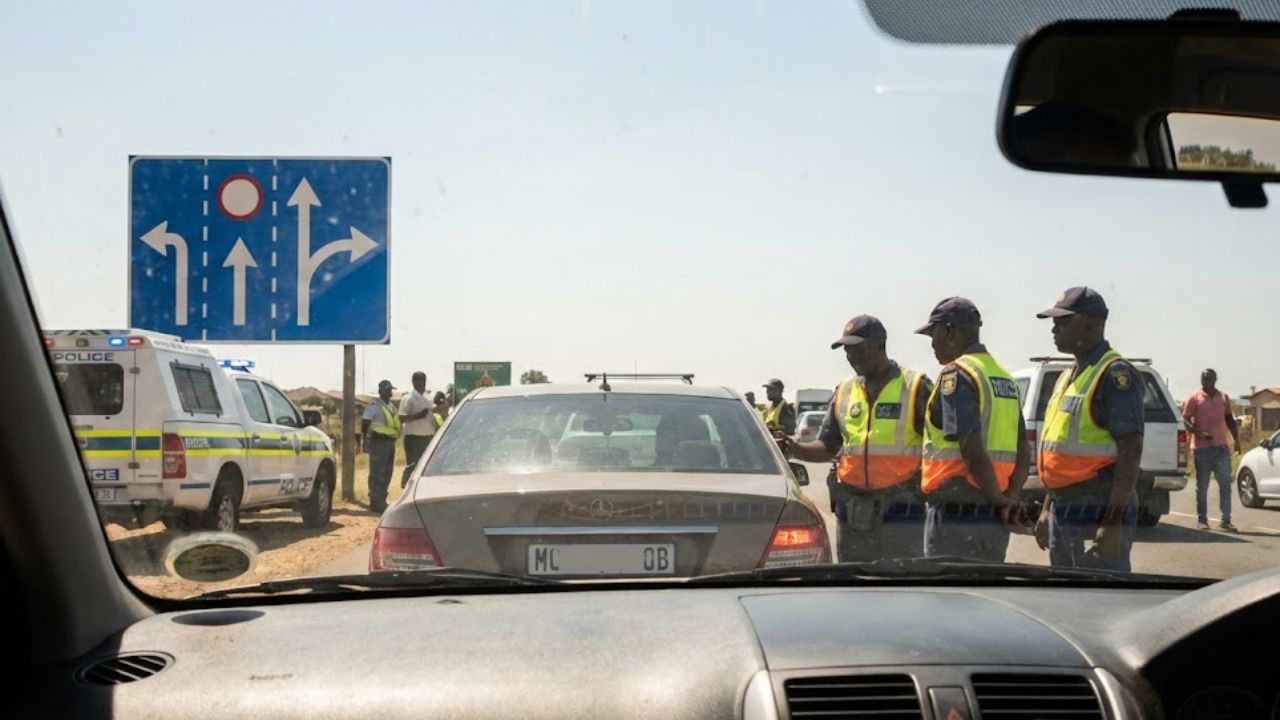
The rollout of new traffic signs under the January 2026 rules represents a meaningful shift rather than a simple visual update. In school zones, signs are now larger and more noticeable, reinforcing the need for slower speeds and increased caution. In construction areas, revised signage helps guide drivers safely through potentially dangerous sections of the road. Failure to follow these signs can result in substantial fines and demerit points on a driver’s record.
| Area Type | Previous Speed Limit | Updated Speed Limit | Penalty for Over-Speeding |
|---|---|---|---|
| Urban Residential Areas | 60 km/h | 50 km/h | R500 Fine |
| School Zones | 40 km/h | 30 km/h | R1,000 Fine |
| High-Risk Zones | 80 km/h | 70 km/h | R800 Fine |
| Construction Areas | 60 km/h | 50 km/h | R600 Fine |
| Expressways | 120 km/h | 110 km/h | R700 Fine |
How to Stay Compliant and Avoid Fines
With the revised road rules now active, drivers must adjust their habits to avoid penalties. A key enforcement priority is distracted driving, particularly the use of mobile phones while driving. The updated regulations introduce stricter punishment for phone use without hands-free systems. Seat belt compliance is another major focus, with drivers held responsible for ensuring every passenger is properly restrained.
– Use hands-free devices when making calls
– Confirm all passengers wear seat belts

– Monitor local traffic updates regularly
– Follow new speed limits at all times
Stronger Seat Belt Enforcement Measures
As part of the January 2026 changes, seat belt laws are now being enforced more rigorously. The updated rules require every occupant in a vehicle, including those seated at the back, to wear a seat belt at all times. This measure is intended to reduce injuries and fatalities during accidents. To reinforce compliance, fines for violations have been doubled, making adherence both a safety and financial priority.
| Traffic Violation | Old Fine Amount | Revised Fine Amount |
|---|---|---|
| Driver Without Seat Belt | R250 | R500 |
| Front Seat Passenger Without Seat Belt | R250 | R500 |
| Rear Seat Passenger Without Seat Belt | R200 | R400 |
| Child Not Using Approved Safety Restraint | R500 | R1,000 |
Practical Ways to Adjust to the New Rules
Successfully adapting to these updated road regulations requires a proactive mindset. Staying informed through official Department of Transport announcements helps drivers remain compliant. Enrolling in defensive driving courses can also improve awareness of the new signage and altered road layouts. Many drivers benefit from sharing experiences and updates through community discussions focused on road safety.
– Participate in defensive driving training
– Subscribe to traffic alerts and updates
– Review official transport notices frequently
– Engage in community road safety forums