South Africans need to prepare for another change in their electricity bills because Eskom has announced a tariff increase that begins on January 15. The national power provider will raise rates for households and businesses throughout the country as energy costs keep rising. Consumers should pay attention to how much electricity they use and look for ways to reduce consumption so the increase does not hurt their monthly budgets as much. Energy efficiency is becoming more important now. People need to understand what these new tariffs mean so they can plan their expenses better & manage their money more effectively.

Overview of the Eskom Electricity Tariff Adjustment
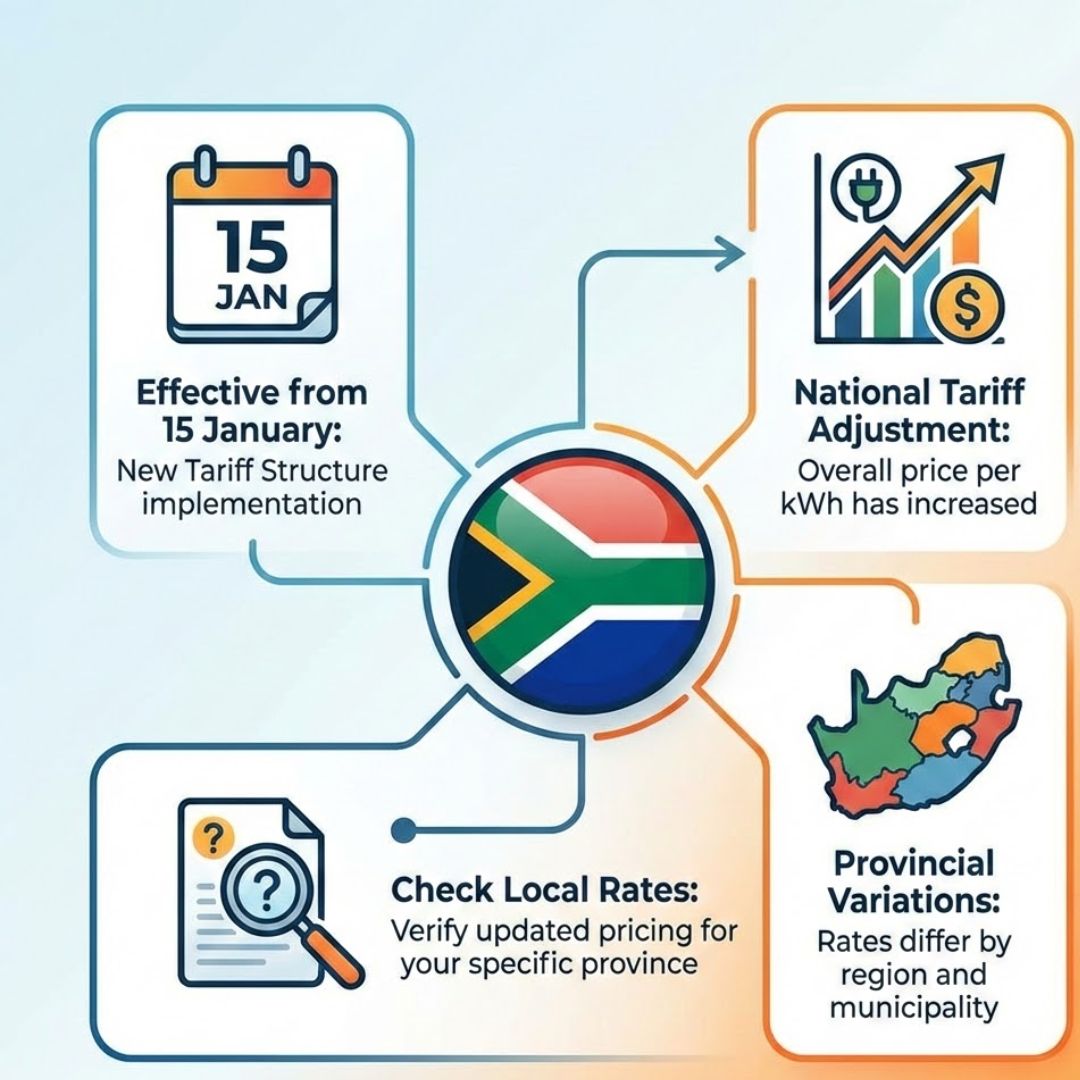
The electricity tariff increase taking effect on January 15 marks a significant change for consumers across South Africa. This adjustment follows ongoing debates around energy sustainability and the financial stability of Eskom. The updated pricing structure forms part of Eskom’s broader plan to manage its financial pressures while continuing to provide a reliable and stable power supply. On average, households can expect a 15% rise in electricity costs, although the exact increase will differ depending on provincial factors and individual consumption levels. The change highlights the growing importance of energy conservation and alternative energy solutions.
– Increase effective from January 15
 New seatbelt law begins January 2026 — South African drivers and passengers risk R500 penalties
– Average tariff increase of 15%
– Rates vary by province and usage levels
Consumers are encouraged to review their daily energy usage habits and adopt energy-efficient practices. Small adjustments, such as turning off unused lights, switching to LED lighting, and considering solar energy installations, can help reduce overall electricity expenses.
| Province | Old Rate (c/kWh) | New Rate (c/kWh) | Percentage Increase | Average Monthly Impact (R) |
|---|---|---|---|---|
| Gauteng | 120 | 138 | 15% | R150 |
| Western Cape | 115 | 132.25 | 15% | R140 |
| KwaZulu-Natal | 118 | 135.7 | 15% | R145 |
| Eastern Cape | 113 | 129.95 | 15% | R135 |
| Free State | 116 | 133.4 | 15% | R142 |
| Limpopo | 117 | 134.55 | 15% | R143 |
| Mpumalanga | 119 | 136.85 | 15% | R148 |
| Northern Cape | 114 | 131.1 | 15% | R137 |
Practical Ways to Reduce Rising Electricity Expenses
As the new tariffs come into effect, many South African households and businesses are exploring ways to minimise the financial impact. One of the most effective approaches is investing in energy-efficient appliances that consume less power while maintaining performance. Over time, these upgrades can result in meaningful cost savings. In addition, smart home technologies that monitor and optimise energy use can further help control monthly electricity bills.
– Invest in energy-efficient appliances
– Use smart home energy management systems
– Maintain electrical equipment regularly
– Explore alternative power sources such as solar energy
How the Tariff Increase Affects Businesses and Industry
The revised tariffs will also have a noticeable impact on businesses and industrial operations, where electricity often represents a major operating expense. Higher energy costs may require some companies to adjust pricing strategies or modify operational processes to remain profitable. Conducting energy audits can help identify areas where consumption can be reduced. Measures such as upgrading to energy-efficient machinery or adjusting production schedules to benefit from off-peak electricity rates may help manage rising costs.
– Conduct regular energy audits
– Upgrade to energy-efficient equipment

– Optimise production during off-peak hours
– Negotiate improved rates with suppliers
Long-Term Approaches to Energy Sustainability
Beyond short-term cost management, focusing on long-term energy sustainability offers lasting advantages. Renewable energy sources such as solar and wind power are becoming increasingly affordable and accessible. By adopting these solutions, consumers can reduce dependence on the national grid and limit exposure to future tariff increases. Government incentives and rebates designed to encourage renewable energy adoption can further improve affordability while supporting environmental protection.
– Invest in renewable energy options
– Make use of available government incentives
– Lower reliance on the national electricity grid
– Support environmental conservation efforts
Impact of Higher Tariffs on Low-Income Households
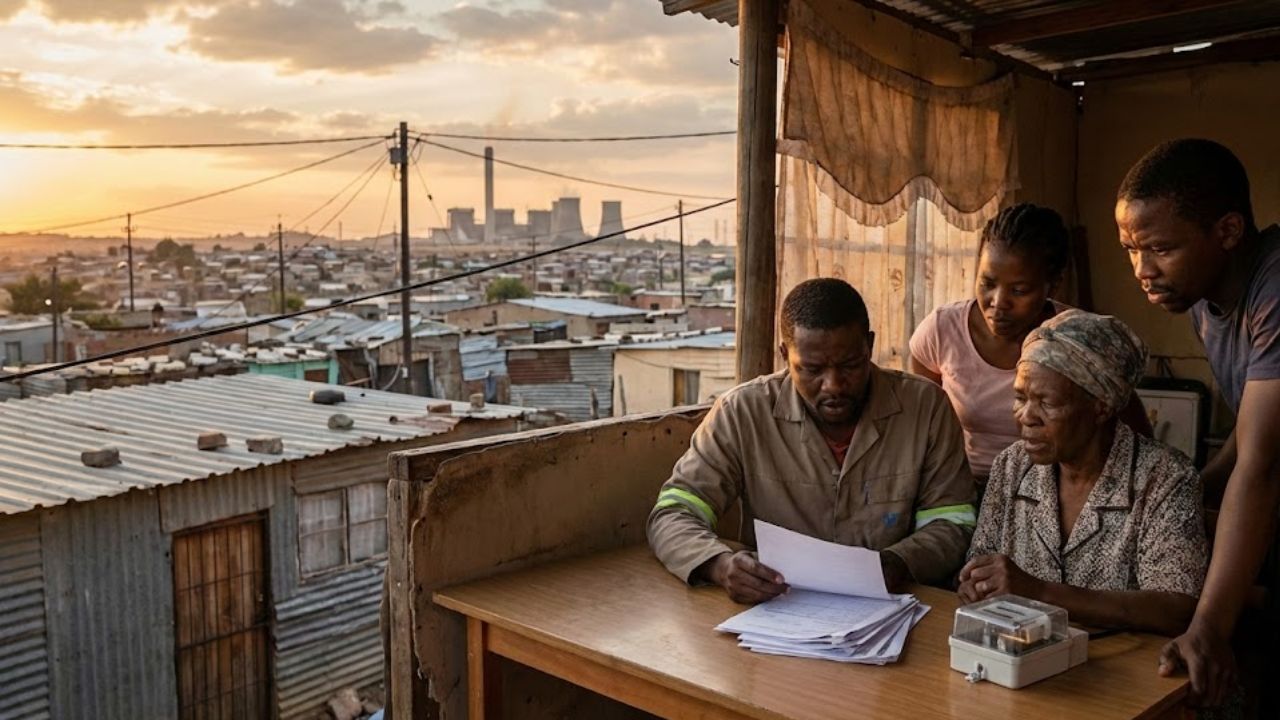
Low-income households are among the most affected by electricity price increases, and the January 15 adjustment may place additional pressure on limited budgets. To help address this, Eskom and local municipalities may provide support programmes or special tariff structures for vulnerable communities. These measures are intended to ensure that essential electricity services remain accessible to all South Africans, regardless of income.
– Seek available Eskom assistance programmes
– Explore support options offered by local municipalities
– Adopt practical energy-saving habits
– Consider participation in community solar initiatives