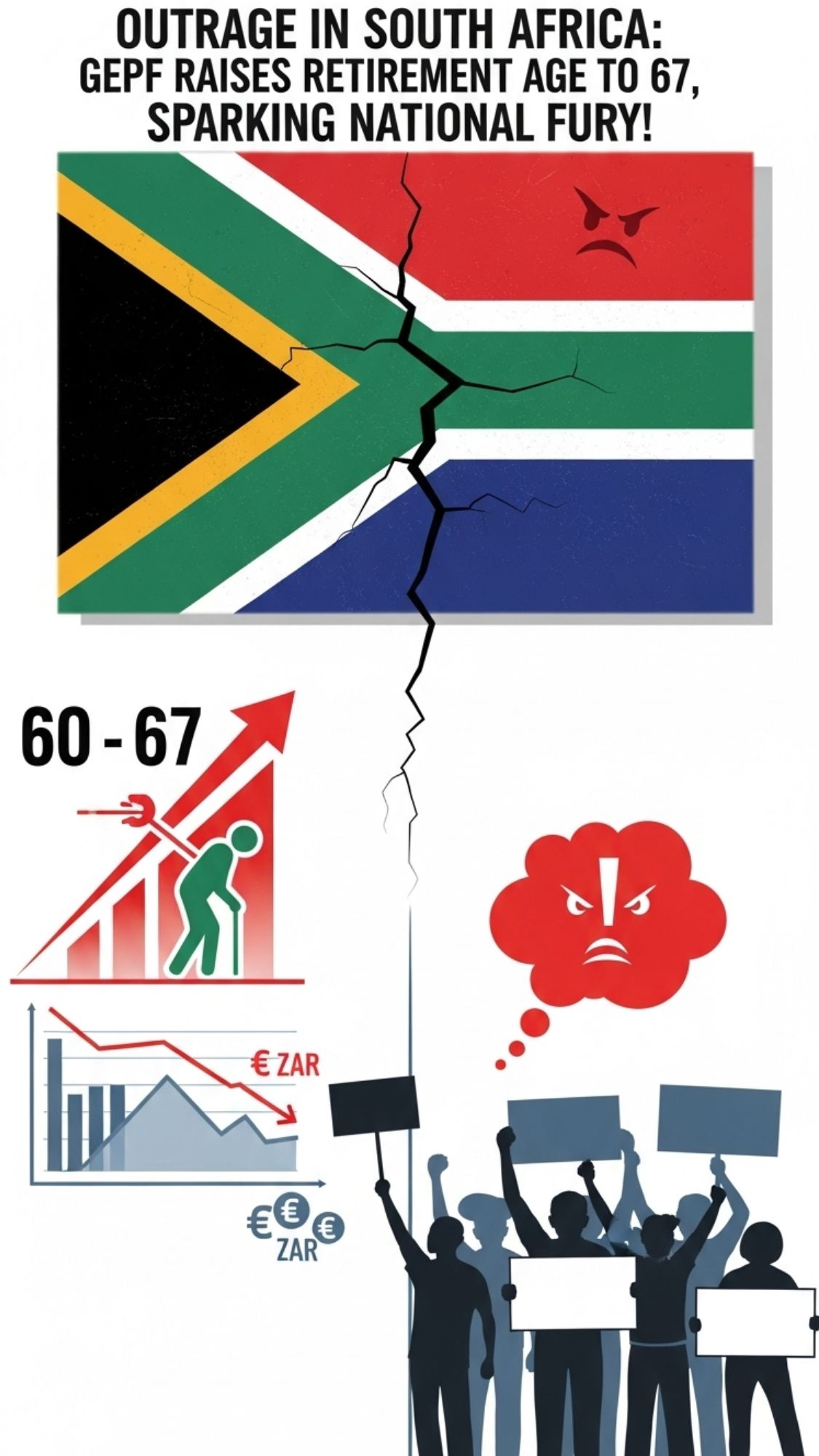
The Government Employees Pension Fund recently announced plans to raise the retirement age to 67. This decision has created widespread unhappiness throughout South Africa. Many citizens are upset about this change especially workers who are nearing retirement age. People view this policy as a way for the fund to save money and stay financially stable. The announcement has sparked heated conversations on social media platforms and among policy experts. Many are asking questions about how this will affect workers & the broader economy. South Africa is currently facing various economic difficulties. Against this backdrop the retirement age increase has become a major point of controversy. The decision has triggered strong emotional responses from the public. It has also led to ongoing discussions about what lies ahead for pensions in the public sector. Workers are concerned about having to work longer than they originally planned. The debate continues as people try to understand the full impact of this policy change on their retirement plans and financial security.

Understanding the GEPF’s Decision to Raise Retirement Age
The Government Employees Pension Fund’s decision to increase the retirement age from 65 to 67 marks a major policy shift that has surprised many public sector workers. The fund has explained that the change is aimed at protecting long-term sustainability as life expectancy rises and the number of pensioners continues to grow. Similar reforms have been introduced in several countries facing comparable demographic pressures. However, the timing of the decision and the limited consultation with stakeholders have sparked frustration. Critics believe the policy fails to reflect the socio-economic and health realities of many South Africans, while supporters argue that extended working years may ease financial strain on the fund and allow members to save more.
– Longer life expectancy is a key driver

– Ensuring financial sustainability remains a priority
– Global pension systems show comparable shifts
– Stakeholder consultation was minimal
– Older workers may face increased challenges
– Public sentiment has largely been negative
– Implementation details are still unfolding
Impact on Public Sector Employees and the South African Economy
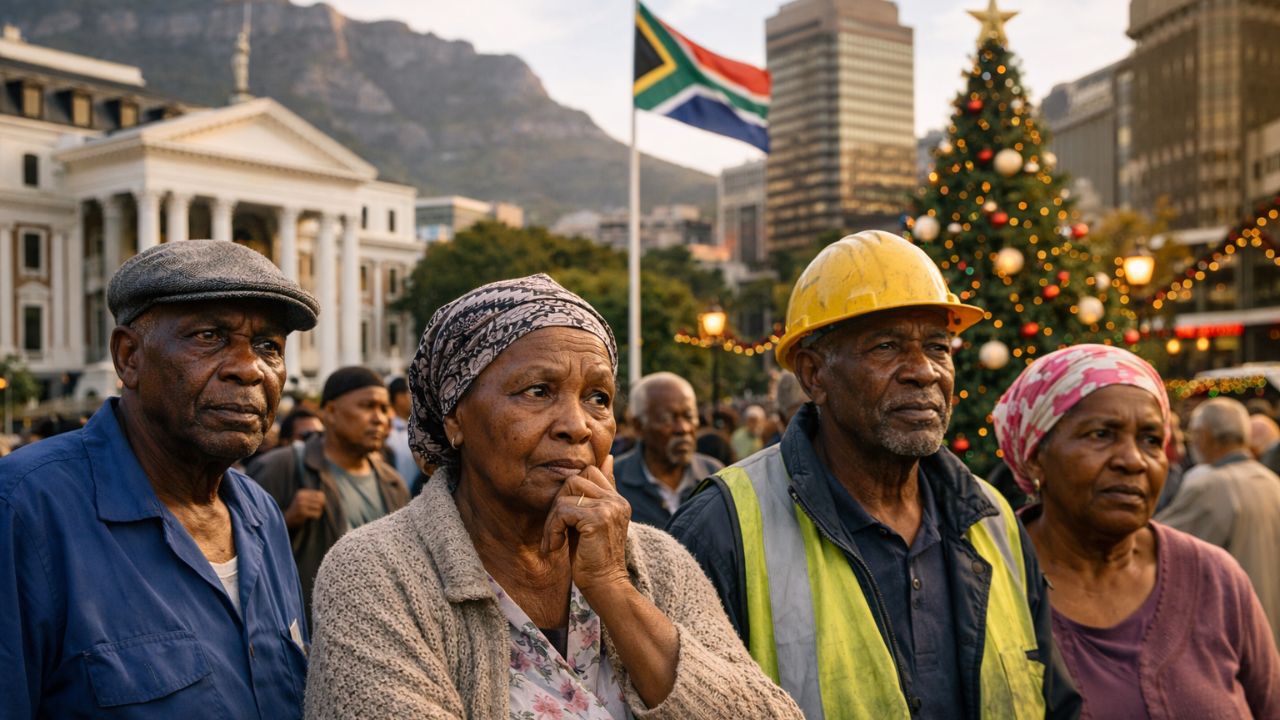
The increase in retirement age to 67 is expected to significantly affect public sector employees. Many workers may need to delay long-planned retirement, which could influence health, productivity, and overall well-being. Younger employees may also experience slower career progression as older workers remain in their positions longer. From an economic perspective, the policy could boost productivity in the short term but may also place pressure on public services, especially in roles that demand physical labor. The overall impact will depend on how effectively these challenges are managed.
| Key Area | Present Situation | Expected Outlook | Recommended Measures |
|---|---|---|---|
| Employee Well-Being | Rising physical and mental strain | Higher risk of long-term health concerns | Workplace health and wellness initiatives |
| Career Mobility | Restricted movement and opportunities | Risk of professional stagnation | Structured career growth and skill pathways |
| Economic Performance | Maintaining steady output levels | Opportunity for gradual expansion | Focused training and upskilling programs |
| Pension Sustainability | Increasing financial pressure | Improved long-term balance | Diversified and alternative funding models |
Historical Context of Retirement Age Changes in South Africa
Over the years, South Africa has adjusted retirement policies in response to economic conditions and demographic changes. Previous changes were often shaped by public opinion and the broader economic climate. The current move to raise the retirement age aligns with international trends, but South Africa’s high inequality levels and health challenges make the situation more complex. Historically, successful policy shifts in this area have required strong public engagement and targeted support for vulnerable groups.
| Key Factor | GEPF Explanation | Public Response | Proposed Way Forward |
|---|---|---|---|
| Financial Sustainability | Critical to maintaining long-term fund viability | Doubt and lack of trust | Clear reporting and greater transparency |
| International Benchmarks | Aligned with global retirement practices | Divided opinions | Open stakeholder and public consultations |
| Demographic Shifts | Increasing life expectancy among members | Health and workload concerns | Supportive health and workplace policy reforms |
Future Prospects and Policy Adjustments
The new retirement age could lead to further reforms in the country’s pension landscape. Policymakers may consider flexible retirement options that reflect different job demands and life expectancies. Phased or gradual retirement, where employees reduce working hours as they near retirement, could become more common. Increased investment in health and wellness initiatives may also be necessary to support an aging workforce. The effectiveness of the policy will depend on ongoing assessment and responsiveness to public concerns.
– Flexible retirement models may be introduced
– Gradual retirement could become standard practice
– Greater emphasis on employee health is required
– Ongoing stakeholder engagement is essential
 Big Changes Ahead: Mandatory New Documents for SASSA Grant Payments Starting 7 January 2026
– Regular policy reviews will be necessary
– Technology integration can improve workforce management
Public Responses to the Retirement Age Increase
Public reaction to the retirement age increase has been largely critical. Many citizens feel the decision does not adequately consider the physical and financial readiness of workers approaching retirement. Social media has amplified these concerns, with trending hashtags reflecting widespread dissatisfaction. Calls for protests, petitions, and improved pension benefits have grown, highlighting the importance of open dialogue between the government, the GEPF, and the public.
– Social media trends show strong opposition
– Protests and petitions are gaining momentum
– Demands for higher pension benefits are increasing
– Government–public dialogue is crucial
– Public trust may be affected long term
Comparing Global Retirement Age Trends
Internationally, many countries have raised retirement ages in response to aging populations and financial pressures. Nations such as Germany, Japan, and the United States have implemented similar reforms, often supported by extensive consultations and phased rollouts. These examples demonstrate the importance of balancing economic sustainability with social protection. South Africa can draw valuable lessons from these approaches by prioritizing flexibility, consultation, and strong support systems for older workers.
– Germany, Japan, and the US follow similar paths
– Public consultation supports smoother transitions
– Phased retirement options reduce resistance
– Support systems for aging workers are vital