Early retirement is becoming harder to achieve as Singapore reshapes its workforce and pension landscape. With the official retirement age raised and new CPF rules taking effect, many workers are reassessing long-held plans to exit the workforce early. The policy shift reflects Singapore’s response to longer life expectancy, rising healthcare costs, and the need for sustainable retirement income. For employees, self-employed individuals, and older workers alike, these changes signal a new phase where working longer and planning smarter are becoming central to financial security in later life.
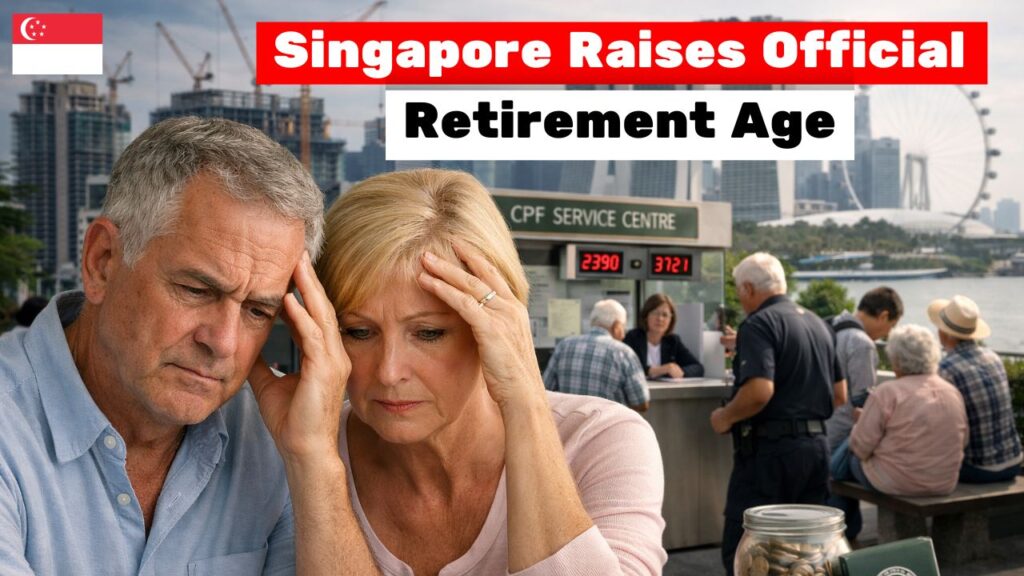
Singapore retirement age changes signal end of early exit plans
The latest retirement age changes in Singapore are designed to encourage longer workforce participation and reduce financial strain in old age. By pushing the official retirement threshold higher, policymakers aim to align employment with longer lifespans and evolving economic realities. Workers who once targeted early retirement may now need to rethink timelines, especially as employers adjust contracts and benefits. The shift places emphasis on longer working lives, income sustainability, and age-friendly workplaces, while also addressing labour market needs. For many, this means adapting skills, managing health proactively, and planning finances with a longer horizon in mind.
New CPF rules reshape retirement savings and payouts
Alongside the higher retirement age, updated CPF rules are reshaping how savings are accumulated and withdrawn. Contribution structures and payout timelines increasingly reward those who stay employed longer, reinforcing delayed retirement as the norm. These adjustments focus on retirement adequacy, monthly payout stability, lifelong income streams, and inflation protection. While the changes strengthen long-term security, they also mean less flexibility for early access to funds. Individuals now need to monitor CPF balances closely and integrate them with personal savings and investments to maintain financial confidence.

How older workers and employers adapt to CPF retirement reforms
The retirement reforms affect not just individuals but also employers and the broader labour market. Companies are encouraged to redesign roles, offer flexible arrangements, and support older employees through reskilling initiatives. This environment promotes productive ageing, skills relevance, workplace flexibility, and career longevity. For workers, staying employable becomes as important as saving money. Those who adapt early—by upgrading skills and managing health—are better positioned to benefit from extended employment and stronger CPF outcomes.
Summary or Analysis
Singapore’s decision to raise the retirement age and revise CPF rules marks a decisive shift away from early retirement norms. The approach prioritises financial resilience, long-term security, policy sustainability, and active ageing. While the transition may feel challenging for those close to retirement, it also offers opportunities to build higher payouts and remain economically engaged. Ultimately, success under the new system depends on proactive planning, realistic expectations, and a willingness to adapt to longer working lives.
| Aspect | Previous Approach | Updated Direction |
|---|---|---|
| Official Retirement Age | Lower threshold | Raised gradually |
| CPF Payout Timing | Earlier access | Later, sustained payouts |
| Workforce Expectation | Early exit possible | Longer participation |
| Income Security | Shorter coverage | Extended retirement income |
Frequently Asked Questions (FAQs)
1. What is the new retirement age in Singapore?
The official retirement age is being raised gradually to encourage longer workforce participation.
 Discover South Africa's Most Affordable Grocery Stores: Verified January 2026 List Unveiled!
2. Do the new CPF rules affect early retirement plans?
Yes, they limit early access and favour sustained savings for later-life payouts.
3. Can older workers still choose to retire earlier?
Early retirement is possible, but with reduced CPF flexibility and lower payouts.
4. How should workers prepare for these changes?
By planning finances early, upgrading skills, and aligning expectations with longer careers.